

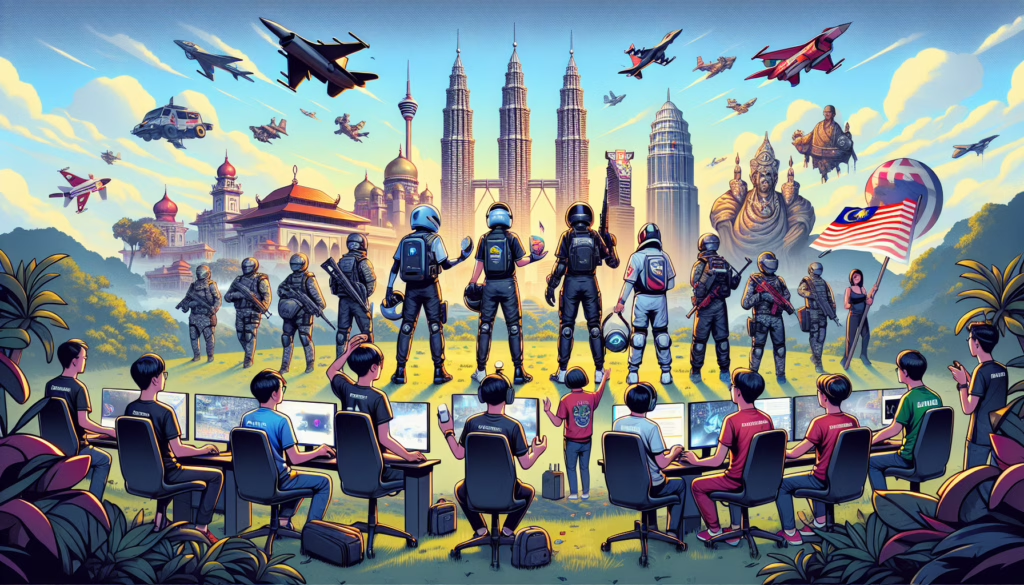
The Malaysian Ministry of Youth and Sports (KBS) is collaborating with the Communications and Multimedia Content Forum (CMCF) to develop revised regulations for the burgeoning esports sector. This initiative, taking place in Malaysia, aims to address concerns around violent content and enhance player protections. The effort comes as the esports industry in Malaysia is experiencing rapid growth, valued at RM1.6 billion (approximately US$340 million) in 2025, representing a 20% increase from the previous year. Analysts anticipate the market could reach RM20.9 billion by 2030, signaling a significant opportunity for economic development.
The CMCF, led by CEO Mediha Mahmood, has engaged with various industry stakeholders to discuss the complexities of gaming platforms, player communities, and child safety measures. A critical component of their strategy involves the creation of a “gaming sub-code,” which will outline standards for responsible gaming, community behavior, and content. The guidelines proposed by KBS also cover aspects of player contract management, event organization, child protections, and educational pathways in esports careers. Mahmood emphasized the importance of viewing player protection, community behavior, and digital wellness as interconnected issues, particularly as esports becomes more integrated into mainstream culture.
The Malaysian government’s support for the esports industry is evident in its fiscal commitments. The 2025 national budget allocated RM20 million to fuel industry development and capitalize on its revenue potential. This includes plans for an esports arena at KL Sports City in Bukit Jalil, slated to open this year, as the country positions itself as a key esports hub in Southeast Asia. Malaysia’s 2020-25 esports development strategy highlights the country’s large gamer demographic, the steady rise of esports players, and the growing number of events, all bolstered by government backing.
Globally, the esports industry is projected to expand significantly, with Future Market Insights estimating its value could rise from US$4.5 billion today to US$30.7 billion by 2036. The Asia Pacific region, led by countries such as China, South Korea, and Japan, dominates the market with a substantial player base and high tournament viewership. North America follows, benefiting from robust gaming infrastructures, media rights agreements, and franchised leagues. Europe, meanwhile, is making strides with investments in collegiate esports programs and local tournaments.
While the growth of the esports industry presents substantial opportunities, there are critical considerations and challenges that accompany this expansion. Regulatory bodies face the task of balancing industry growth with the need for comprehensive oversight to ensure fair play, protect vulnerable groups, and maintain market integrity. These concerns are magnified by the complexity of digital ecosystems and the international nature of gaming platforms, which require nuanced regulatory approaches and cross-border cooperation.
The next steps for Malaysia involve the implementation of these proposed guidelines and the ongoing assessment of their impact on both the local market and the broader Southeast Asian esports landscape. The government and regulatory bodies will need to monitor the efficacy of these regulations, ensuring they adapt to the swiftly evolving dynamics of the esports industry. This includes ongoing dialogue with industry participants to refine and update policies as necessary, ensuring the market remains competitive and sustainable for all stakeholders involved.
Topics: South Korea · Japan · China · Esports Betting · Financial Results · Enforcement
Looking for somewhere to play? Browse our current no deposit bonus listings, with verified codes and the full wagering terms for each offer.
 4.5/5
4.5/5