 John Lewis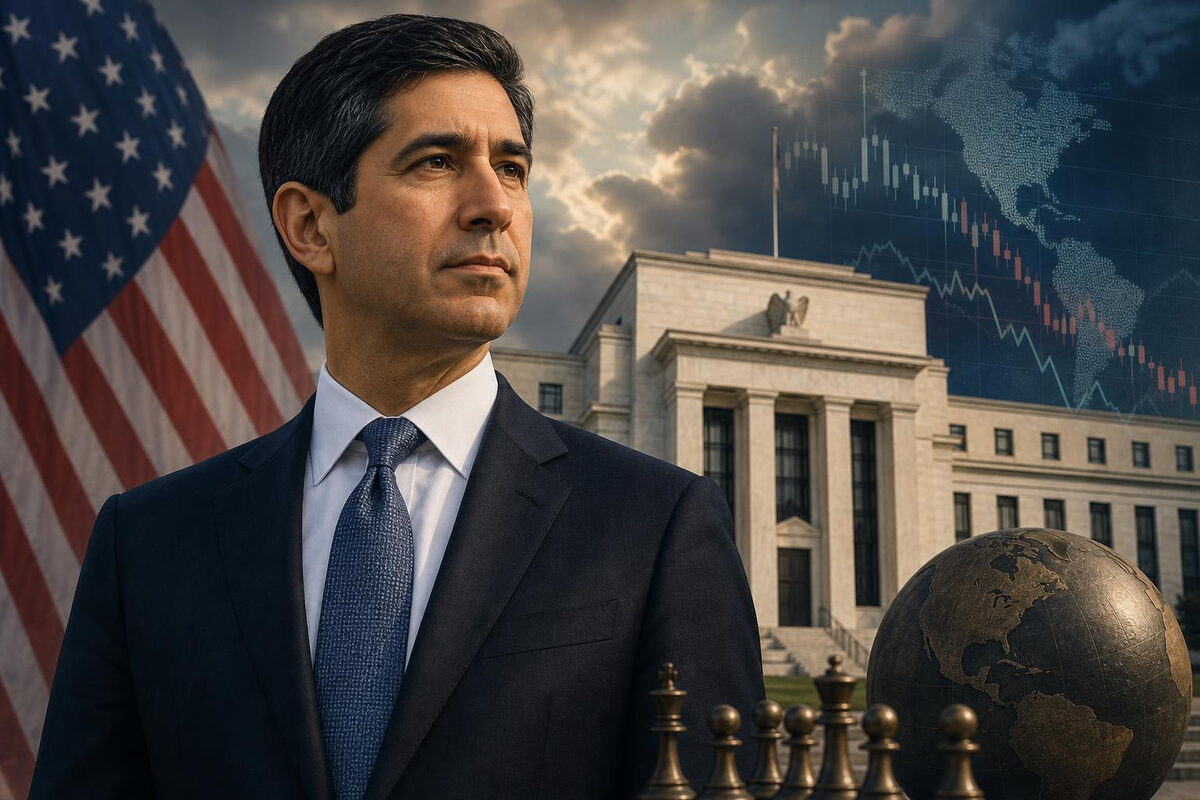
Washington, D.C., May 14, 2026 – The U.S. Senate has confirmed Kevin Warsh as the new chairman of the Federal Reserve, replacing Jerome Powell, who held the position for nearly a decade. This change in leadership comes at a time when the Federal Reserve is under pressure to address high inflation and elevated interest rates, which have kept borrowing costs substantial for businesses, including those in the gaming industry. Warsh, a former Federal Reserve governor, is known for his cautious stance on quantitative easing, a policy that involves increasing the balance sheet through asset purchases. This appointment is particularly significant as it may influence the Fed’s approach to interest rate adjustments, potentially impacting the financial strategies of gaming companies reliant on lower borrowing costs to boost valuations.
Warsh’s tenure as a Fed governor during the Great Recession saw him initially endorsing quantitative easing to counteract the economic downturn. However, he resigned in 2011, citing concerns over excessive monetary policy. Currently, the Fed’s balance sheet exceeds $6 trillion, having peaked at $8.7 trillion in 2024. Warsh’s conservative economic stance may signal a shift in policy direction, with market participants anticipating possible rate cuts. Such changes would be welcomed by gaming operators, as lower interest rates could lead to higher stock valuations and increased investment opportunities. “The market dynamics are largely driven by economic indicators and interest rate expectations,” stated Chad Beynon, head gaming analyst at Macquarie.
Clarity Act Proceeds to Senate for Cryptocurrency Oversight
In other developments, the Senate Banking Committee has advanced the Clarity Act, a legislative proposal designed to establish a regulatory framework for cryptocurrencies and digital assets. The bill now heads to the full Senate, where it is expected to face further debate. With midterm elections approaching, Republicans are pushing for the bill’s passage to maintain legislative momentum. Although the Clarity Act is not directly related to gambling, its implications for the gaming sector are significant. The legislation would expand the regulatory responsibilities of the Commodity Futures Trading Commission (CFTC), a body that oversees prediction markets, which are closely related to gambling activities.
CFTC Chairman Michael Selig has addressed concerns about the commission’s capacity to manage these additional duties, emphasizing the use of advanced technologies such as artificial intelligence and automation for regulatory oversight. Should the Clarity Act be enacted, it could pave the way for integrating cryptocurrencies into regulated gambling markets, a move that many gaming operators are keen to explore given consumer interest in digital currencies as a payment method. The potential for crypto integration is underscored by industry figures like FanDuel co-founder Nigel Eccles, who has advocated for embracing cryptocurrency technology within the gaming sector.
UFC’s Dana White Challenges Gambling Loss Deduction Cap
In another development affecting the gaming industry, UFC President Dana White has called on President Donald Trump to reconsider the recent federal tax changes that limit the deduction of gambling losses. Under the current law, enacted as part of last year’s comprehensive tax bill, only 90% of gambling losses can be deducted, a reduction from the previous 100% allowance. This change has been criticized for potentially increasing the tax liability of gamblers who might end up paying taxes on non-existent or minimal winnings.
White, known for his gambling pursuits, has argued that this amendment makes it less rational to gamble legally within the United States, potentially driving bettors towards unregulated offshore platforms. The UFC, which supports legalized gambling, has highlighted the risk of such policies deterring the use of compliant gambling avenues. To date, efforts to reverse this change, such as the FAIR BET Act introduced by Nevada Representative Dina Titus, have stalled in Congress. However, White’s public appeal may reignite discussions around the deduction cap, especially with upcoming UFC events, including the UFC Freedom 250 on the White House lawn, drawing attention to the issue.
Future Considerations and Market Reactions
Looking ahead, the gaming industry will closely monitor the Federal Reserve’s monetary policy decisions under Warsh’s leadership, as any changes could significantly affect market valuations and borrowing costs for operators. Additionally, the progress and potential enactment of the Clarity Act will be a crucial watchpoint for gaming companies interested in leveraging cryptocurrencies within regulated frameworks. The debate surrounding gambling tax deductions remains ongoing, with stakeholders like Dana White continuing to advocate for policy adjustments that promote fair and legal gambling practices. As these legislative and regulatory events unfold, the industry awaits further clarity on how they will shape market dynamics and regulatory compliance in the coming months.
Topics: Crypto Gambling · Nevada · Gambling Taxes · Gambling Regulation
Looking for somewhere to play? Browse our current no deposit bonus listings, with verified codes and the full wagering terms for each offer.