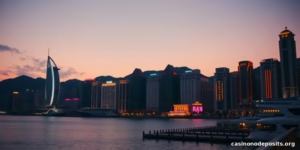

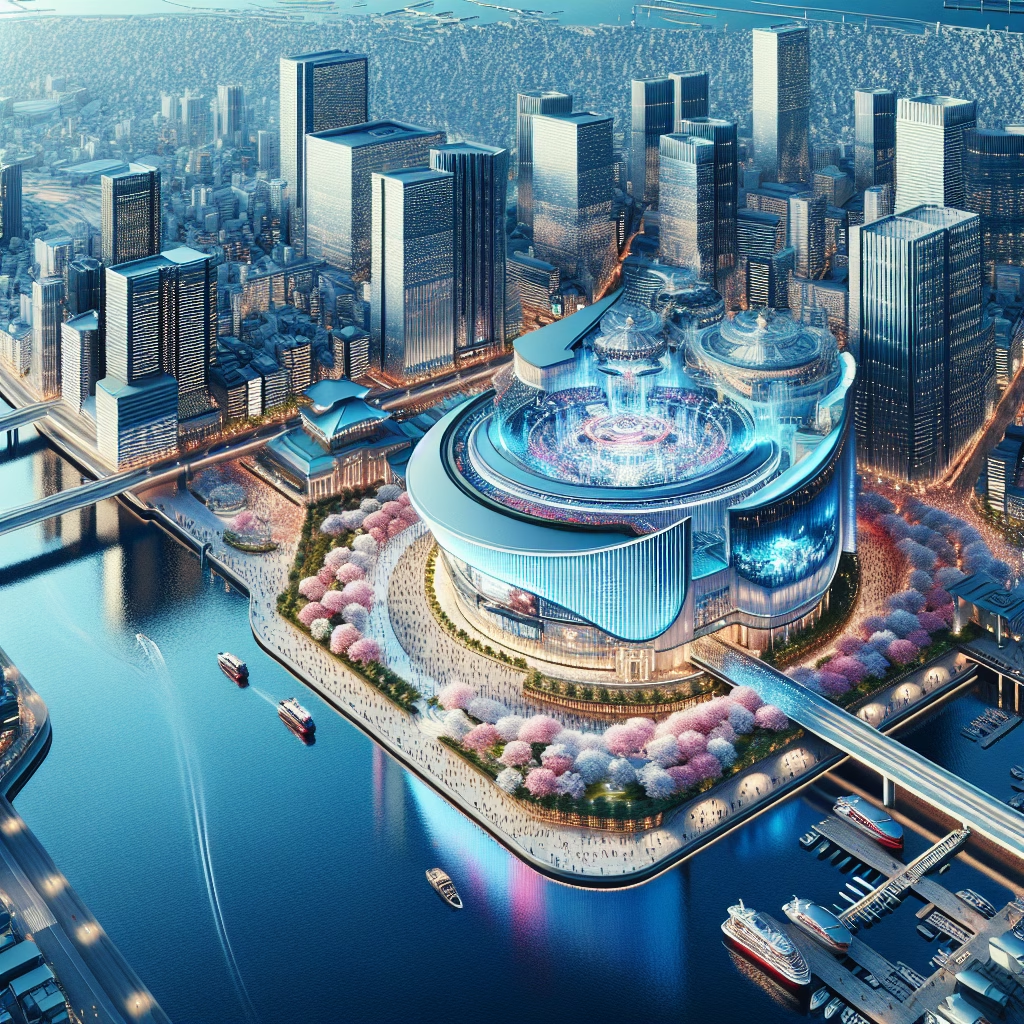
In Osaka Bay, an artificial island that was initially created nearly 50 years ago for a container terminal and waste disposal plant is being transformed into a global tourism hub. This transformation is part of a strategic plan initiated in 2017 to revitalize the Osaka Prefecture by attracting industry and investment.
At the heart of this development is the sprawling MGM Osaka, a $3.92 billion (JPY28 billion) integrated resort (IR) that marks a joint venture between MGM Resorts International and Japanese developer Orix Corporation. Scheduled to open in 2030, MGM Osaka is poised to become Japan’s first casino resort, promising to draw millions of visitors annually.
The 2025 World Expo, recently concluded on Yumeshima island, set the stage for MGM Osaka’s future success. With the theme “Designing Future Society for Our Lives,” the Expo initially struggled with cost overruns and lukewarm public interest. However, it ultimately exceeded expectations, attracting over 25 million attendees and featuring innovations in technology, healthcare, and sustainable energy from 158 countries. The Expo’s success has laid the groundwork for Yumeshima’s transformation into a tech and entertainment hub, with commercial and leisure amenities surrounding MGM Osaka set to significantly boost the local economy.
The MGM Osaka itself is expected to become a major draw, attracting 20 million visitors each year. It will feature Japan’s first casino alongside MICE (meetings, incentives, conferences, and exhibitions) facilities, hotels, restaurants, retail spaces, and entertainment venues. Toyonori Takahashi, a representative of the Orix Kansai region, confidently predicted that the MGM Osaka will compete with established integrated resorts in Macau and Singapore.
Despite the ambitious plans, the introduction of casinos in Japan remains a divisive issue. A survey conducted in November 2024 revealed that nearly one-third of the Japanese population opposes the IR due to concerns over gambling addiction, with 30.6% in support and 36.7% remaining neutral. Critics like Kobe University sociology professor Hiroki Ogasawara argue that casinos promote greed and serve the economic interests of only a minority. “Casinos are built on greed and the pursuit of economic wealth for only a handful of people,” he noted, reflecting the sentiment of many opponents.
However, proponents of the project, including Osaka Governor Hirofumi Yoshimura, see it as a vital catalyst for economic growth. During the groundbreaking ceremony in April, Yoshimura expressed his belief that the IR would create an extraordinary space that generates new demand in tourism and business, driving Osaka’s economic development forward.
The redevelopment of Yumeshima into a tourism and tech hub aligns with broader economic strategies aimed at diversifying Japan’s economic landscape. By integrating cutting-edge technology and innovative leisure offerings, the hub is set to enhance Japan’s global competitiveness in tourism and entertainment.
As for the island’s future, several proposals are under consideration, including a Formula 1 racetrack, additional luxury hotels, and a water park. Each proposal aims to capitalize on the island’s potential as a destination for both domestic and international tourists.
Stakeholders like Hideyuki Araki from the Resona Research Institute argue for a thoughtful approach to the development. He emphasizes the importance of adopting strategies that focus on medium- to long-term economic benefits rather than merely pursuing large-scale projects for immediate gains. “The expo site is vast, and synergy with the IR is expected. It is important not to simply end the project with a large-scale development, but to adopt strategies with a medium- to long-term economic outlook,” he remarked, highlighting the need for sustainable growth that benefits all stakeholders.
While opinions on the IR remain split, the potential economic benefits are difficult to ignore. By attracting millions of visitors and creating thousands of jobs, the MGM Osaka and the surrounding hub could significantly contribute to regional and national economic growth. Yet, the debate over balancing economic development with social considerations continues to be a central theme as Japan moves forward with its plans.
Ultimately, the success of MGM Osaka and the Yumeshima redevelopment will depend on the ability to harmonize the interests of investors, local communities, and the broader Japanese society. As Japan seeks to establish itself as a leader in integrated resorts, the lessons learned from this ambitious endeavor will likely shape the future of similar projects across the country.
Topics: Singapore · Japan · Macau · Land-Based Casinos · Responsible Gambling
Looking for somewhere to play? Browse our current no deposit bonus listings, with verified codes and the full wagering terms for each offer.
 4.5/5
4.5/5