 Harry Grant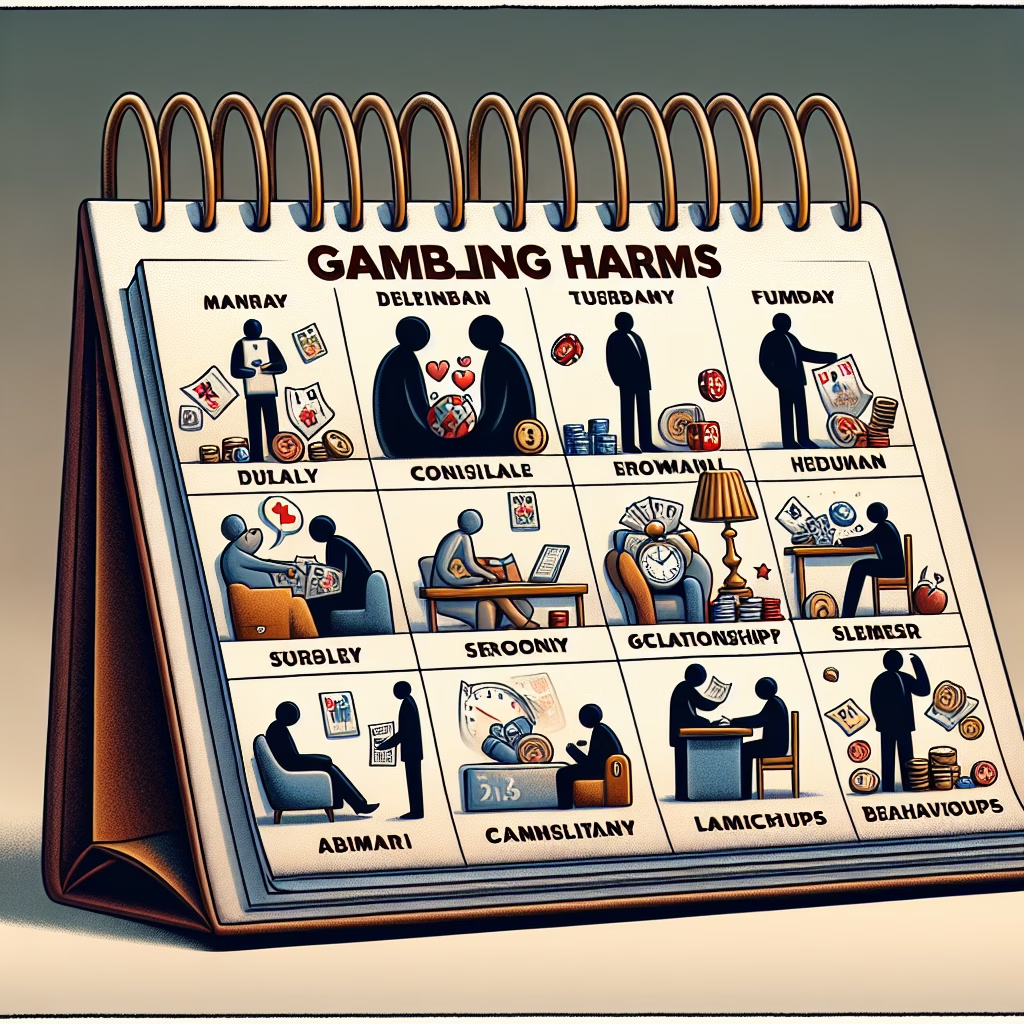
GamCare, a prominent UK charity, has launched an innovative digital campaign designed to help consumers recognize signs of gambling-related harms and encourage those affected to seek support. This initiative, created in partnership with the creative agency 23red, part of CapGemini, emphasizes the need for increased awareness around gambling issues.
The campaign, focused on digital platforms, targets men aged 18-44 as well as individuals impacted by the gambling habits of loved ones. At its core, the campaign features a 30-second film, employing metaphorical visual storytelling to illustrate the emotional challenges faced by individuals affected by gambling.
GamCare’s CEO, Victoria Corbishley, emphasized the significance of the campaign, stating that the new creative approach visualizes the internal struggles associated with gambling harms. She expressed hope that this fresh approach would prompt individuals, whether directly or indirectly affected, to recognize early warning signs and seek assistance sooner.
23red’s Creative Director, Tristan Cavanagh, highlighted the campaign’s distinctive approach, noting how unhealthy gambling habits often go unnoticed. The campaign aims to create content that resonates emotionally with the audience, encouraging immediate recognition and prompting conversations to prevent escalating harm.
This initiative is part of GamCare’s broader, ongoing efforts to support individuals impacted by gambling-related issues. Since its establishment in 1997, GamCare has been at the forefront of providing information, advice, and support to those grappling with problem gambling.
The launch comes at a pivotal time, coinciding with significant changes in the landscape of gambling support services in the UK. Another major charity, GambleAware, recently announced its cessation of operations, with plans to transition its work to the British government by March 2026. This decision followed the introduction of a new statutory levy aimed at funding gambling support initiatives.
In August, GambleAware appointed Anna Hargrave as its transition CEO, to oversee the charity’s closure after the departure of Zoë Osmond in September. Hargrave’s role involves managing the transition as the charity winds down its activities and shifts responsibilities to governmental oversight.
This transition at GambleAware marks a significant shift in how gambling-related support will be structured in the UK. While some see the integration into governmental systems as a move towards more centralized oversight, others raise concerns about potential bureaucratic challenges and the effectiveness of state-managed interventions.
GamCare’s campaign highlights the continued necessity for dedicated charities in supporting those affected by gambling harms. By raising awareness and encouraging early intervention, GamCare hopes to mitigate the negative impacts of gambling in society. The campaign’s digital focus reflects a strategic approach to reach a wider audience, utilizing platforms where target demographics are most active.
While the transition of GambleAware’s responsibilities to the government remains underway, the importance of campaigns like GamCare’s becomes more pronounced. They not only raise awareness but also ensure that support remains accessible to those who need it during this period of change.
Critics of the transition argue that while a statutory levy provides a stable funding source, the centralized approach might overlook the nuanced understanding and tailored support that specialized charities can offer. They caution against losing the personalized, empathetic connections that organizations like GamCare have cultivated over decades.
Nonetheless, with campaigns like GamCare’s, there is hope that awareness and support mechanisms will continue to evolve, adapting to new challenges and ensuring that help is available for those struggling with gambling-related issues. As the industry and its associated support frameworks undergo transformation, the focus remains on ensuring that those in need have access to the necessary resources and guidance.
Looking ahead, GamCare’s proactive measures in digital engagement and storytelling may pave the way for future campaigns, setting a precedent for how charities can effectively address complex social issues in an ever-digitizing world. The campaign’s success may well depend on its ability to resonate with its audience, prompting not only recognition but also action among those it reaches. As the landscape of gambling support in the UK continues to evolve, initiatives like this serve as a reminder of the critical role charities play in advocating for vulnerable populations and fostering a more informed and supportive community.
Topics: Partnerships · United Kingdom · Gambling Taxes · Responsible Gambling · Product Launches
Looking for somewhere to play? Browse our current no deposit bonus listings, with verified codes and the full wagering terms for each offer.