

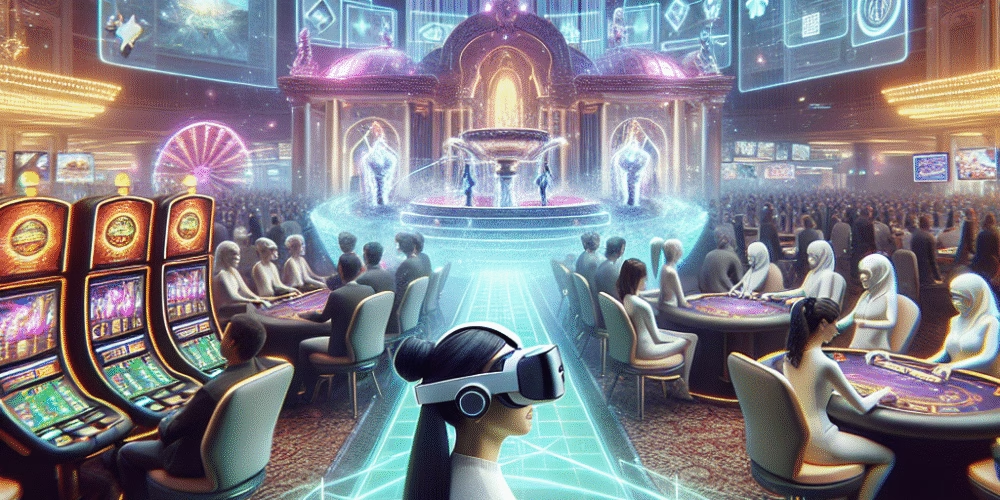
The gambling industry is embracing the future with open arms as Virtual Reality (VR) technology begins transforming online casinos into highly immersive experiences. This shift not only promises to enhance player engagement but is also poised to set a new standard in the global gaming market.
Revolutionizing the Online Gambling Experience
Online gambling has seen a steady evolution since its inception. From simple web-based platforms to live dealer games that mimic the in-casino experience, the sector has continually sought to leverage technology to deliver more engaging and realistic experiences. The latest in these advancements is the integration of VR technology, which allows players to step into fully realized casino environments from the comfort of their homes.
Experts predict this new wave could significantly boost the industry’s revenue, which is already expected to grow to over $127 billion by 2027 according to a recent market analysis. “Virtual reality has the potential to completely change the way people gamble online,” says Elena Martinez, a tech analyst specializing in gaming innovations. “It provides an immersive experience that can attract a broader audience, including younger demographics who seek more engaging and interactive forms of entertainment.”
Leading Players and Innovations
Several tech giants and specialized startups are at the forefront of developing VR-based casino games. Noteworthy among them is Oculus, a leader in VR technology, which has been experimenting with prototypes of VR blackjack and roulette experiences. On the casino operator front, big names like MGM and Caesars are investing heavily in incorporating VR technology to offer a novel gambling experience and attract tech-savvy gamblers.
Games currently in development promise to go beyond simple VR adaptations of existing casino games. They include features like multiplayer games, VR chat rooms, and even gesture-based betting. This level of interactivity replicates many social elements of casino gambling, which have been somewhat lacking in traditional online platforms.
Challenges and Considerations
While the prospects are exciting, the integration of VR into online gambling also presents several challenges. The primary concern is the cost and accessibility of VR equipment. High-quality VR headsets are still relatively expensive, which could limit the initial adoption among the broader public.
Furthermore, regulatory hurdles cannot be underestimated. As Martinez points out, “With new technology comes new regulations. The immersive nature of VR gambling might prompt new legal considerations around the globe.” Regulatory bodies will need to tackle issues related to VR gambling’s enhanced ability to mimic real-life gambling, potentially blurring lines that current laws may not adequately address.
Future Outlook and Industry Impact
Despite the challenges, the future looks bright for VR in online gambling. As technology becomes more affordable and widespread, a larger demographic will likely embrace VR casinos. Additionally, ongoing advancements in technology will help create more realistic and varied environments, potentially making VR gambling a staple in the online gaming industry.
The impact on the gambling landscape will be significant as traditional online platforms may find themselves needing to adopt this new technology or risk becoming obsolete. In parallel, physical casinos might also adopt VR technologies to offer new forms of entertainment and attract visitors, blending the lines between physical and virtual gambling experiences.
FAQs
Q: What is VR gambling?
A: VR gambling refers to the use of virtual reality technology to create immersive gambling environments online, allowing users to feel as though they are inside a physical casino.
Q: Is VR gambling expensive?
A: Initial costs for VR headsets and setup can be quite high, but prices are expected to decrease as technology becomes more mainstream.
Q: Are there legal issues with VR gambling?
A: Yes, VR gambling could introduce new regulatory challenges that governments and regulatory bodies will need to address, particularly around the immersive and realistic nature of the gambling experience.
Q: Can VR technology affect traditional casinos?
A: Yes, VR technology could potentially drive traffic away from physical casinos, or it might be used by these establishments to enhance in-house entertainment and attract a new audience.
Key Takeaways
– VR technology is setting a new standard in the online gambling industry, promising a more immersive and engaging experience.
– Major casino operators and tech firms are investing heavily in developing VR casino games.
– Accessibility and regulatory challenges exist but are likely to be addressed as the technology matures.
– The future of gambling could see a blend of virtual and physical casino experiences, revolutionizing the industry and the way people gamble.
 4.8/5
4.8/5