 Harry Grant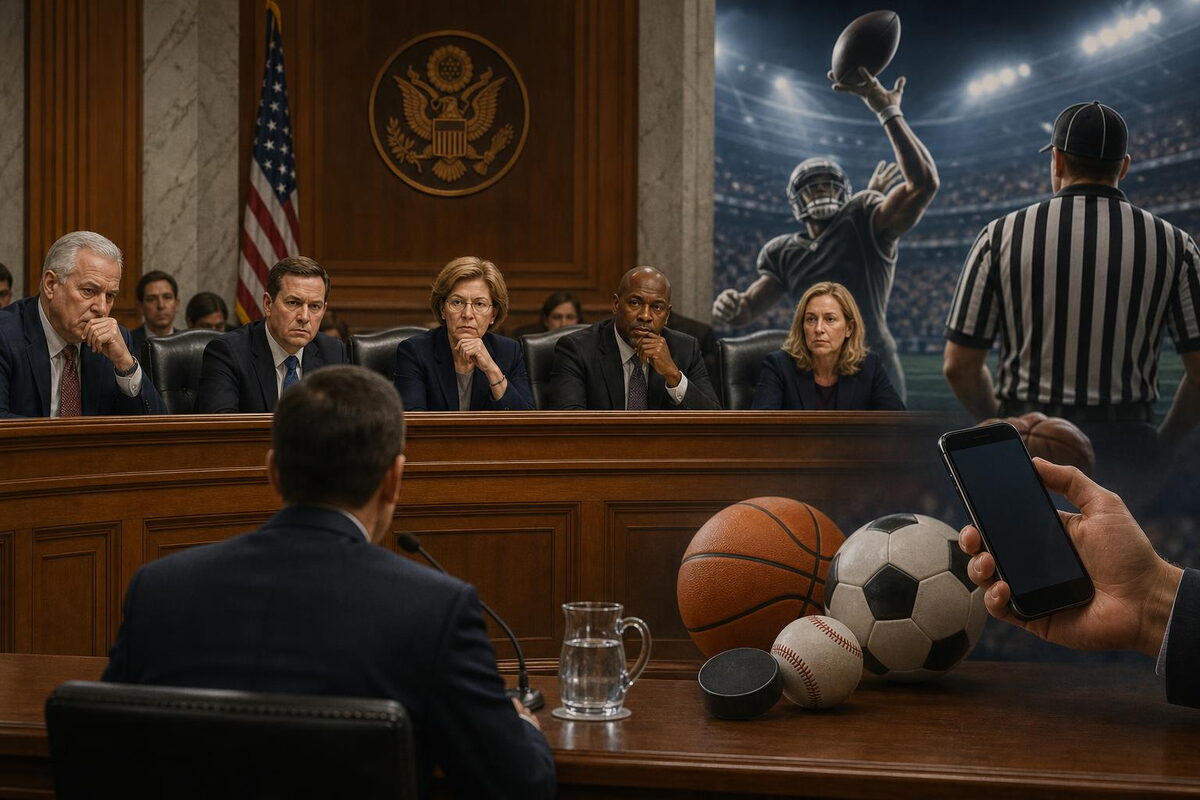
Washington, D.C., May 21, 2026 – U.S. legislators convened this week to scrutinize the current landscape of sports betting regulation, focusing on the integrity of sports events and the burgeoning prediction markets. The hearing, titled “No Sure Bets: Protecting Sports Integrity in America,” was held by the Senate Commerce Subcommittee on Consumer Protection, Technology, and Data Privacy under the leadership of Senator Marsha Blackburn. This session follows the recent increase in betting-related scandals involving major sports leagues, raising crucial questions about how Congress might address potential fraud and corruption in this multibillion-dollar industry.
The hearing comes at a time when the sports betting market in the U.S. is experiencing significant growth, with a notable increase in the volume of trading on platforms like Kalshi, which has recently expanded its focus from political outcomes to sports derivatives. Kalshi’s valuation has soared, underlining the rising stakes in this field. However, the lack of clear federal regulatory frameworks leaves open questions about how best to protect the integrity of sports and the interests of consumers.
The issue of sports integrity has come to the forefront, driven by several high-profile scandals. These include guilty pleas from individuals involved in insider trading and match-fixing activities across basketball and baseball. Such cases highlight vulnerabilities in the current system that could undermine public trust in sports.
At the hearing, Blackburn emphasized the need for robust regulatory measures to protect the integrity of American sports, pointing to Deutsche Bank’s projections that the U.S. betting handle for the upcoming FIFA World Cup could exceed $4 billion. She referenced past findings on the connections between illegal sports betting and organized crime, noting the significant laundering of money through unregulated channels. This backdrop sets the stage for a potential federal intervention to curb illegal activities and protect sports integrity.
In her comments, Blackburn underlined concerns over illegal betting operations and their links to organized crime, citing examples where sports figures have been implicated in illicit activities. The focus on sports betting’s integrity is particularly timely given the upcoming World Cup and its potential impact on illegal betting activities.
The hearing also delved into prediction markets, which have come under scrutiny for the adequacy of consumer protections. Patrick McHenry, representing the Coalition for Prediction Markets, was questioned about safeguarding measures to prevent minors from engaging in these markets. Concerns were raised over marketing practices, including allegations of targeting younger audiences. McHenry acknowledged these issues and expressed openness to dialogue with Congress to enhance consumer protections.
This regulatory scrutiny extends to commercial sportsbooks as well, with the American Gaming Association (AGA) asserting that its members do not target minors through advertising. AGA President Bill Miller and other industry representatives reiterated their commitment to responsible gaming practices.
The broader regulatory approach to sports event contracts was also a focal point. Stakeholders expressed varied opinions on whether federal oversight is necessary. While some, like Miller, advocated for state and tribal rights in managing sports betting, others showed willingness to collaborate with Congress if it decides to legislate more comprehensively.
In a related context, the possibility of collaboration between Congress and sports leagues to maintain integrity in sports was discussed. Texas Senator Ted Cruz highlighted ongoing scandals in Major League Soccer and the UFC, suggesting a bipartisan approach to enhance oversight and integrity measures. This could lead to formal agreements, like the recent Memorandum of Understanding made between Major League Baseball and the Commodity Futures Trading Commission (CFTC).
The hearing concluded without a definite resolution, but momentum is building for a more structured approach to sports betting regulation. Matt Bakowicz, a sports management expert, suggested establishing federal standards for integrity monitoring and information sharing to detect and address match-fixing. These proposals highlight the potential benefits of a coordinated federal framework, although challenges remain in balancing state and federal roles.
Moving forward, the potential for legislative action looms. New York Representative Paul Tonko is advocating for a federal framework, emphasizing the importance of protecting sports integrity. While Blackburn did not commit to a specific timeline for federal legislation, the interest from Congress is evident, and future hearings could shape the regulatory landscape significantly.
As the situation evolves, stakeholders within the sports betting industry, legal authorities, and legislative bodies will continue to engage in discussions to determine the best path forward. The focus remains on ensuring the integrity of sports while balancing regulatory and commercial interests, a task that demands careful consideration and collaboration among all parties involved.
Topics: Texas · Prediction Markets · New York · Illegal Gambling · Sports Betting · Gambling Regulation
Looking for somewhere to play? Browse our current no deposit bonus listings, with verified codes and the full wagering terms for each offer.