
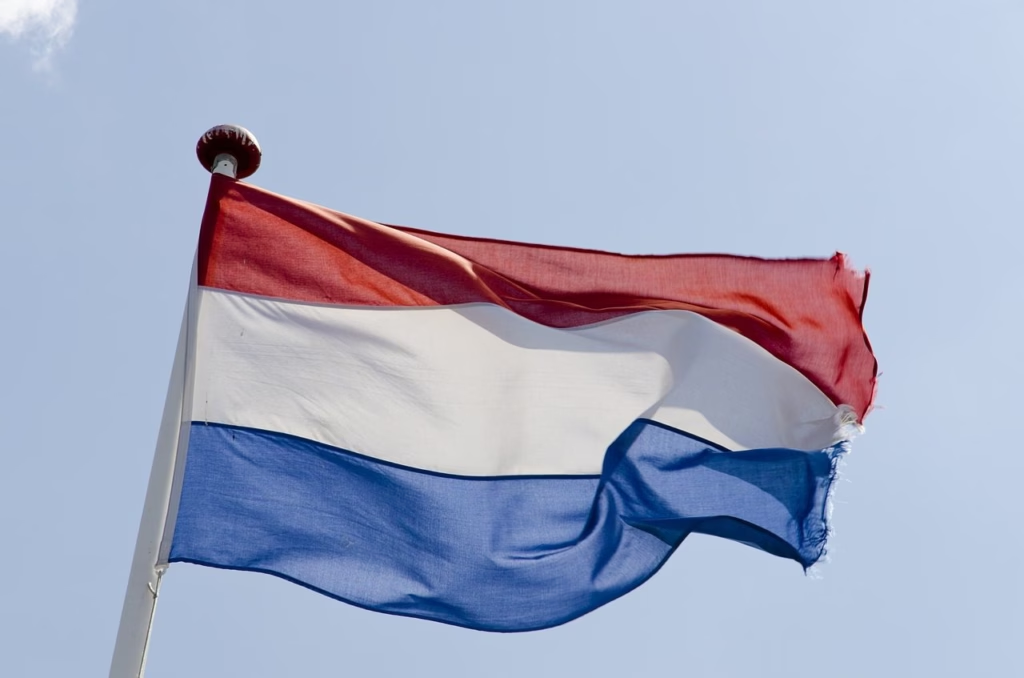
Kansspelautoriteit (KSA), the Dutch gambling regulator, announced a new initiative to offer partial tax refunds to land-based gambling operators who were forced to shut down during the Covid-19 pandemic in 2020 and 2021. During this period, operators across the Netherlands had to close their doors in compliance with national lockdowns aimed at curbing the spread of Covid-19.
The catalyst for this initiative was a case brought forward by an unnamed operator to the Dutch Council of State in July 2025. This operator contended that KSA’s imposition of gambling taxes was unjust while their venue remained closed for a portion of 2020. The Council of State agreed, exempting the operator from paying gambling taxes on the days when operations were halted due to government mandates. Consequently, it ruled that the operator should receive a refund for taxes paid during these closure periods.
In light of this ruling, KSA has decided to extend similar refund opportunities to other operators impacted by the pandemic. Operators who believe they qualify for a refund are encouraged to submit their claims by 14 November for the period covering 2020 to 2021. KSA clarified in a statement released on 17 October that “this means a partial refund of the levies based on the periods in which the sector was forced to close due to the coronavirus.” Additionally, these refunds will include statutory interest calculated from the payment date by the license holder to the date the tax is repaid.
While the refund option provides potential relief, KSA has urged operators to consider the broader financial implications, particularly regarding the pandemic-related financial support they might have received. This refund could influence the final calculation of an operator’s gambling tax liabilities for 2022, potentially affecting their financial statements.
“The coronavirus period was exceptional,” KSA noted. “We will review all applications for accuracy and assess each case individually to determine whether to issue a refund. However, we warn that a refund of the gambling tax may have consequences, for example, previously received Covid-19 support or taxes due. It is the provider’s own responsibility to determine whether a refund application is worthwhile.”
From a broader perspective, this move by KSA could be seen as an attempt to balance the financial burden experienced by the gambling sector due to the pandemic. The Dutch gambling industry, like many others globally, faced unique challenges during the Covid-19 pandemic. The forced closures led to significant revenue losses, prompting many operators to seek government assistance to weather the storm. By offering tax refunds, KSA aims to alleviate some of these financial pressures, albeit with the caveat of potential complications with past financial aid.
On the other hand, some industry analysts argue that the refunds might not be as impactful as expected. The stipulations regarding past Covid-19 support may reduce the net benefit of the refunds, especially for operators who relied heavily on government assistance during the closures. These analysts suggest that the operators need to carefully weigh the benefits of applying for the refunds against the possibility of having previous support recalibrated.
For gambling operators in the Netherlands, this KSA decision represents both an opportunity and a challenge. The possibility of recouping some financial losses from the pandemic is undoubtedly appealing. However, the operators must navigate the complexities of tax laws and their previous pandemic-related financial dealings. This duality captures the essence of the current situation: a chance for financial relief tempered by the intricacies of regulatory compliance.
As the November deadline approaches, operators must decide how to proceed, considering both the potential immediate financial relief and the long-term implications for their fiscal health. The KSA’s announcement is a testament to the ongoing adjustments industries worldwide are making in response to the unprecedented disruptions caused by the Covid-19 pandemic.
Topics: Netherlands · Licensing · Land-Based Casinos · Gambling Taxes · Financial Results · Gambling Regulation
Looking for somewhere to play? Browse our current no deposit bonus listings, with verified codes and the full wagering terms for each offer.
 4.5/5
4.5/5