

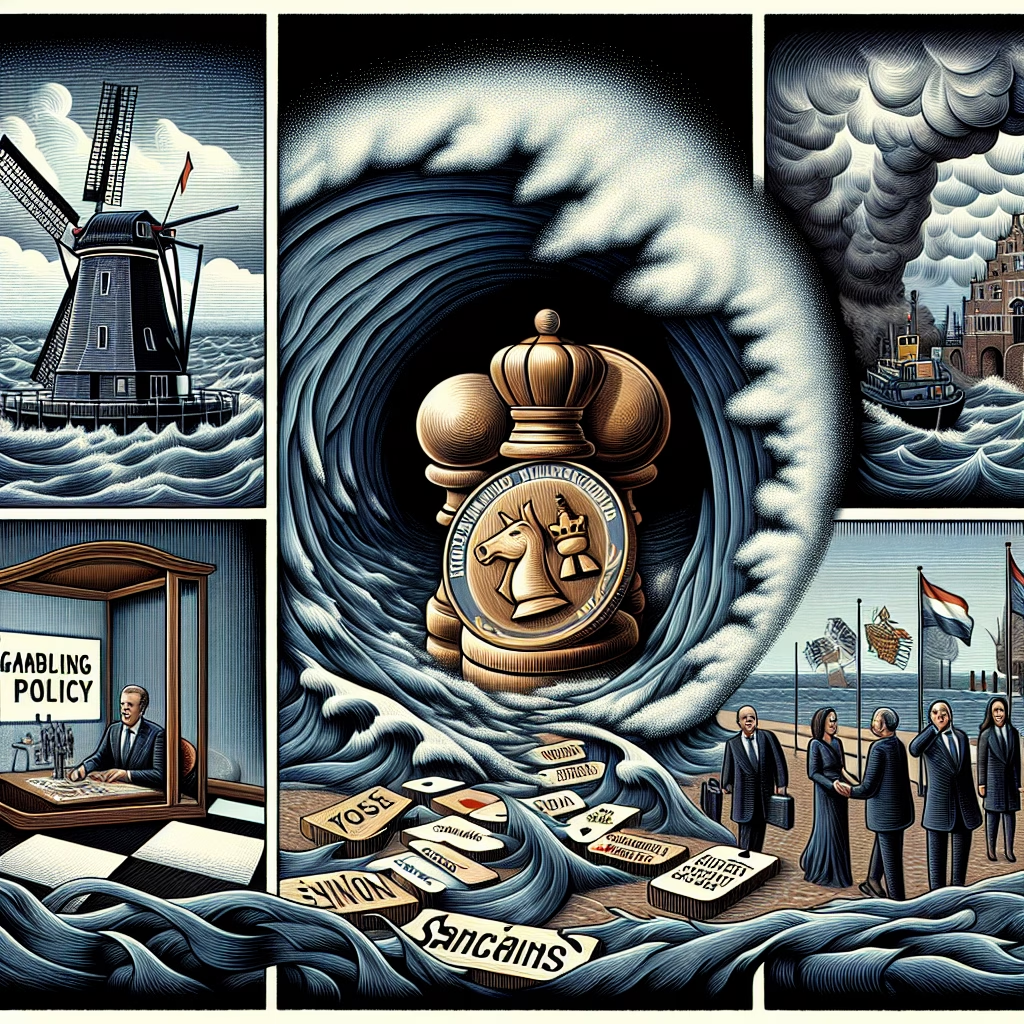
Teun Struycken, the state secretary for legal protection in the Netherlands, including oversight of gambling, resigned amidst a wave of departures from the Dutch government. This decision follows the blocking of sanctions against Israel, a move that has stirred significant political unrest within the country.
The initial resignation that triggered this cascade came from Foreign Minister Caspar Veldkamp. His departure was in direct protest against the blocked sanctions, mirroring his disapproval of the government’s stance amid the escalating conflict in Palestine. Veldkamp’s proposed actions against Israel were rejected by fellow ministers, which he found unacceptable. These measures were a response to Israel’s intensified military activities in Gaza and its new settlement initiatives in the West Bank.
In a statement reflecting his frustration, Veldkamp remarked on the cabinet’s prior actions. “We have taken steps as a cabinet, and the Netherlands has nothing to be embarrassed about. Yet, there is a palpable resistance to further action regarding the situations in Gaza City and the West Bank,” he said. His confidence in future change was low, believing that his capacity to enforce necessary policies was too constrained. Facing such limitations, he chose to resign and formally submit his letter of resignation.
This political upheaval raises questions about the future of Dutch gambling regulations. Struycken, who has been instrumental in planning regulatory changes, has now exited the process, leaving uncertainties in its wake. Earlier in the year, Struycken had announced the anticipation of a new gambling bill by year’s end. Key components of this prospective legislation included raising the age limit for riskier gambling activities, such as online slots.
Struycken’s resignation puts these plans into jeopardy. The NSC, his political party, had already signaled a desire to eliminate online gambling in its manifesto, adding layers of complexity to an already fraught situation. This move could drastically alter the landscape of Dutch gambling legislation, leaving stakeholders in a state of uncertainty.
Even prior to this wave of resignations, the Dutch political scene was unstable. The government had collapsed in early June when Geert Wilders, leader of the far-right Party for Freedom, withdrew support from the ruling coalition. This political vacuum necessitated a snap election, scheduled for 29 October, further compounding the unpredictability in the policymaking environment.
Mike de Graaff from BetComply offered insight into potential post-election scenarios. He suggested that the political shift might pave the way for more lenient market regulations, aiming to fortify the sector’s long-term sustainability. “With overly restrictive markets, it becomes challenging for operators to introduce innovation. A change in leadership might prioritize market growth and flexibility,” he opined.
Yet, this perspective is not without contention. Some argue that maintaining strict regulations ensures consumer protection and prevents market saturation that could lead to irresponsible gambling behaviors. This tension between regulation and market freedom remains at the heart of the ongoing debate within the Dutch gambling industry.
The unfolding political drama in the Netherlands underscores the complexity of balancing international diplomacy with domestic policy and the cascading effects it can have on diverse sectors, including gambling. As the country heads towards elections, the outcome may significantly shape the future of its regulatory landscape, not only in gambling but across various policies that are currently in flux. The situation reflects broader themes of governance, where decisions on international matters can ripple through domestic affairs, influencing everything from individual careers to national legislation.
In this context, Teun Struycken’s resignation is more than a personal decision; it symbolizes a pivotal moment in Dutch politics. As the nation prepares for its electoral decisions, stakeholders across industries are left to speculate on the potential directions new leadership might take. With the gambling bill now uncertain, operators and regulators alike must brace for the outcomes of an election that could redefine their operational environment.
Given this backdrop, the gambling sector, along with others, will be watching closely. The implications of these political shifts could lead to a significant reshaping of the industry, depending on how new policies align with existing regulatory frameworks. As the Netherlands navigates this period of transition, the future remains uncertain, but the possibilities for change are vast.
Topics: Netherlands · Executive Appointments · Product Launches · Gambling Regulation · Enforcement · Online Casino
Looking for somewhere to play? Browse our current no deposit bonus listings, with verified codes and the full wagering terms for each offer.
 4.5/5
4.5/5