 John Lewis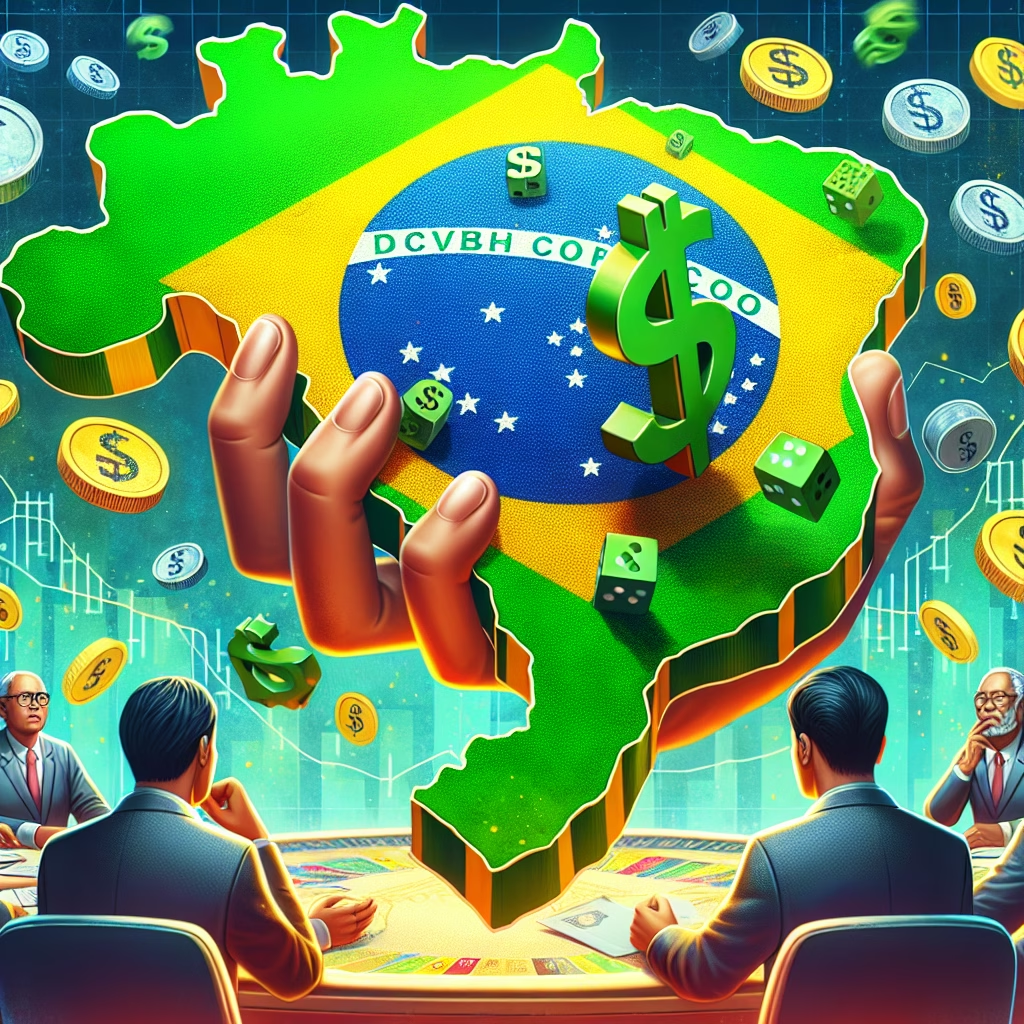
On October 9, 2025, Lindbergh Farias, leader of the Workers’ Party in Brazil’s Chamber of Deputies, introduced a bill aiming to double the gambling tax rate from the existing 12% to 24% of gross gaming revenue. This proposal came swiftly after a provisional measure to increase the tax to 18% was withdrawn by Brazil’s Chamber of Deputies just a day prior.
The newly proposed bill, PL 5,076/2025, intends for half of the revenue generated from the increased tax rate to be allocated to social security and public health initiatives. The remaining funds would be distributed among various sectors including sports and culture, thereby attempting to address a wider social agenda.
Farias justified this significant tax hike by highlighting the immense growth of the betting industry in Brazil, which, according to a 2023 study by Comscore, ranks just behind the US and UK in terms of betting consumption. The surge in betting activity brings with it a host of social and economic challenges. “This growing increase in bets and the number of bets is accompanied by several social and economic problems,” the bill stated. Farias underscored concerns over gambling addiction, noting its detrimental impact on mental health and family finances, often leading to substantial debt.
The Workers’ Party, currently in power under President Luiz Inácio Lula da Silva, is persistently striving to implement changes in the gambling tax landscape. However, their failure to pass the previous provisional measure has cast doubt over their capacity to realize their economic objectives. The earlier bill, PM 1,303, aimed to boost gambling taxes by 50%, but it was ultimately abandoned before last week’s vote. Additionally, a proposed retrospective tax program on operators’ pre-regulation activities faced a veto.
The introduction of PL 5,076/2025 represents a renewed effort to augment gambling taxes, aligning with the government’s broader economic policy agenda. The bill argues that increasing taxation on betting to levels higher than the average for other activities is justified due to the adverse effects of gambling on health and family economics. It emphasizes that even with the proposed increase, Brazil’s tax rate would remain below those of countries like France and Germany. The intent is to make gambling less appealing while securing necessary funds for investment in the healthcare system.
Critics of the proposed tax increase argue that such a move could drive operators to unregulated markets, ultimately reducing overall tax revenue. They suggest that focus should instead be on stricter regulation and enforcement to ensure a fair and transparent gambling market. Opponents also highlight the potential negative impact on the sports and entertainment sectors, which often rely on sponsorship and funding from the gambling industry.
Proponents of the bill counter that the potential risks are outweighed by the societal benefits of higher taxation. They argue that the additional funds generated could be critical in addressing public health needs, especially given the strain on resources in the post-pandemic era. By reallocating funds towards social welfare programs, they believe the government can mitigate the negative impacts of gambling while promoting a healthier society.
The debate over gambling taxation in Brazil reflects a broader global conversation about the role of gambling in society and the responsibility of governments to regulate it. As Brazil continues to grapple with the balance between encouraging economic growth and protecting its citizens from the potential harms of gambling, the outcome of this legislative effort will likely influence future policy decisions in the region.
Navigating the complex landscape of gambling regulation requires careful consideration of economic, social, and ethical factors. While the proposed tax increase has stirred significant debate, it also highlights the challenges faced by policymakers in attempting to reconcile diverse interests within a rapidly evolving industry.
In the coming weeks, Brazil’s Chamber of Deputies will deliberate on the proposed legislation, weighing the potential benefits against the concerns raised by industry stakeholders and the public. The decision will not only impact Brazil’s gambling market but also set a precedent for how emerging markets address the challenges posed by a booming gambling industry.
As discussions continue, stakeholders from various sectors will be keenly observing the developments, understanding that the implications of the decision extend beyond immediate fiscal considerations to the broader societal impacts of gambling in Brazil.
Topics: Gambling Advertising · France · Germany · Brazil · United Kingdom · Gambling Taxes
Looking for somewhere to play? Browse our current no deposit bonus listings, with verified codes and the full wagering terms for each offer.