

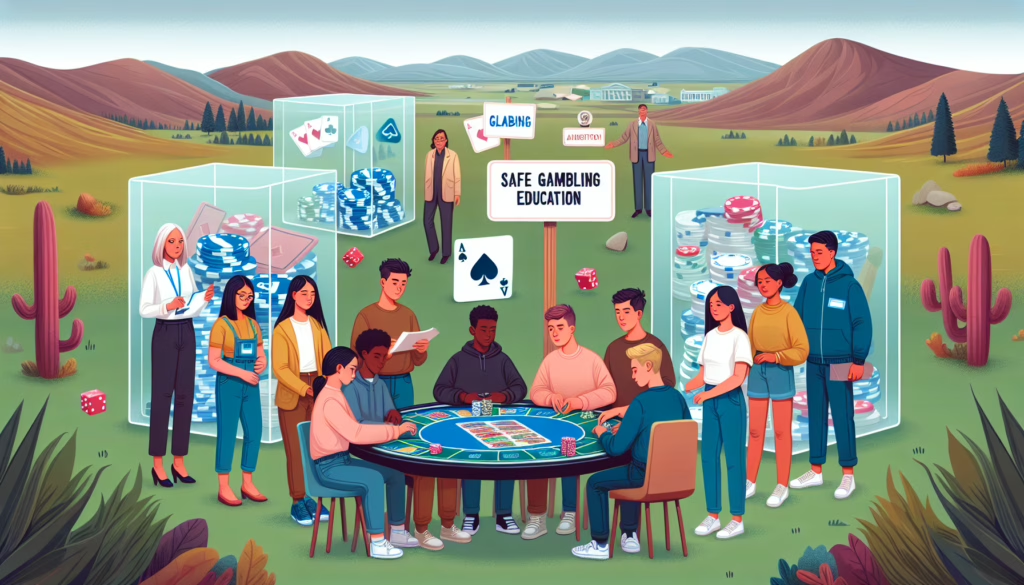
The Directorate General for the Regulation of Gambling (DGOJ) in Spain has unveiled a new Safe Gambling Programme aimed at strengthening consumer protections, particularly for younger players. Announced this week in Madrid, the initiative runs from 2026 to 2030 and seeks to address the growing impact of social media on gambling behaviors. The plan was presented during a meeting at the DGOJ headquarters, emphasizing the need to adapt to evolving market conditions and technological advancements.
This programme emerges in response to significant shifts in the Spanish gambling landscape observed since 2019. Notably, there has been a concentration of revenue among a few dominant operators and an increase in online gambling among individuals aged 18 to 25. These changes, coupled with the rapid evolution of digital marketing techniques utilizing social media, video games, and artificial intelligence, have prompted the DGOJ to reassess its approach to consumer protection. The regulator aims to analyze social media’s role in shaping gambling habits and intends to establish a standardized method for identifying risky gambling behavior online, aligning with mandates from the 2023 Real Decreto.
The DGOJ’s plan involves gathering comprehensive data on domestic and international gambling regulations to inform policy development. The programme will scrutinize game features that may foster addictive behavior and aims to produce accessible resources, including guides on gambling risks and a directory of treatment services. Additionally, the initiative will reevaluate current player self-assessment tools related to deposit and limit adjustments, enhancing cooperation with treatment providers and integrating gambling oversight within national addiction frameworks like EDADES, ESTUDES, and the Plan Nacional sobre Drogas.
Communication efforts will include campaigns and thematic conferences focused on issues such as artificial intelligence and the role of loot boxes in gaming. The programme prioritizes raising awareness among vulnerable groups, particularly young players, avid gamers, and those previously barred from gambling. Consumer protection mechanisms such as the national exclusion register (RGIAJ), Phishing Alert service, and Protocol for Victims of Identity Misuse (PACS) are promoted within the programme.
In recent years, Spain’s regulatory environment has tightened with the implementation of Royal Decree 958/2020 and Royal Decree 176/2023, which have introduced stricter controls on advertising, session and payment limits, and account suspension protocols. The new programme commits to assessing the effectiveness of these decrees and their compliance with European Union directives and international standards.
These regulatory measures have not been without contention. Last year, the requirement for online platforms to display addiction warnings similar to tobacco products met resistance from industry groups, who argued there was insufficient prior industry consultation. The DGOJ’s ongoing evaluation of these measures will consider industry feedback and aim for alignment with broader European and international regulations.
Looking ahead, the success of the Safe Gambling Programme will depend on its implementation and the ongoing collaboration between regulators, operators, and stakeholders. The DGOJ intends to monitor its impact closely, with a potential review and adjustment of strategies to better safeguard consumers, especially the youth, from the evolving challenges posed by modern gambling environments.
Topics: Spain · Financial Results · Gambling Regulation · Online Casino
Looking for somewhere to play? Browse our current no deposit bonus listings, with verified codes and the full wagering terms for each offer.
 4.5/5
4.5/5