 Harry Grant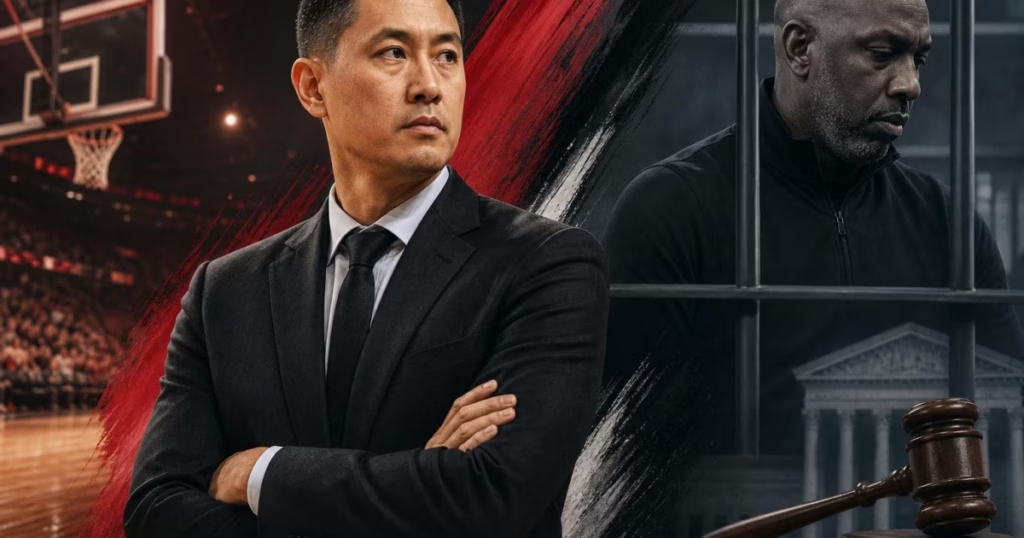
Portland, Oregon—The Portland Trail Blazers have announced the hiring of Micah Nori as their new head coach, a move that marks a significant shift for the team following the leave of former head coach Chauncey Billups. This decision, made public on Tuesday, follows the departure of interim coach Tiago Splitter, who has transitioned to lead the Chicago Bulls. The timing of this new appointment coincides with Billups’ ongoing legal challenges, stemming from his involvement in a high-profile illegal poker case, which raises questions about his future in the NBA for the upcoming 2026-27 season.
The legal issues surrounding Billups, who has been on leave since October last year, have clouded his tenure with the Blazers. His arrest over charges related to an illicit poker operation that captured national attention has significant implications, not only for his career but also for the team’s future direction. The Western Conference team, which recently returned to the playoffs for the first time since Billups’ initial coaching year in 2021, is now focusing on stabilizing its leadership amid these uncertainties.
Legal Context and Implications
Billups’ legal entanglements began when a federal grand jury indicted him along with 30 others in a comprehensive federal gambling case. The indictments, issued last October, accuse the defendants of orchestrating a sophisticated poker scheme that defrauded victims of over $7 million. The group allegedly used advanced technologies, such as x-ray devices and special contact lenses, to cheat in poker games, according to federal prosecutors. Billups, although not directly linked to cheating during games, is alleged to have been a “face card” in the operation—meaning his celebrity status was leveraged to attract unwitting participants to these illegal games.
Charged with money laundering conspiracy and wire fraud conspiracy, Billups faces severe legal consequences. If found guilty, he could face up to 20 years in prison for each count. This legal predicament significantly complicates Billups’ prospects of returning to the NBA in any coaching capacity, particularly as the trial dates loom closer.
Case Developments and Co-defendant Pleas
As the legal proceedings advance, developments continue to unfold. At a recent court hearing in Brooklyn, it was revealed that several defendants, including former NBA player Damon Jones, have entered guilty pleas. This includes a parallel sports betting case involving Jones. Moreover, fellow defendant Robert Stroud, who allegedly provided a compromised shuffling device used in a poker game attended by Billups, has also admitted guilt.
Prosecutors have amassed a vast array of evidence, including 259 hours of recorded material and 2.1 terabytes of data from digital devices. This comprehensive body of evidence underscores the complexity and magnitude of the case. The prosecution plans to organize the defendants into three trial groups due to the sheer number of individuals involved, with Billups being part of “Trial Group 3.”
Market and Regulatory Implications
The implications of this case resonate beyond Billups and the courtroom. For the Portland Trail Blazers, this represents a crucial transitional phase. The hiring of Nori, previously an assistant coach with the Minnesota Timberwolves, suggests a strategic pivot aimed at providing stability and renewed focus. The situation also casts a spotlight on the regulatory environment surrounding gambling, particularly concerning the role of public figures in illegal operations. This case may prompt further scrutiny from regulators on similar activities and enhance compliance measures within the sports community.
Moreover, the NBA faces reputational considerations, especially in its efforts to maintain integrity within its ranks. The case underscores the potential pitfalls of high-profile figures engaging in illicit gambling activities, which could lead to stricter oversight and enforcement by league authorities.
Future Steps and Trial Timeline
Looking ahead, the next phases of the legal process are critical. The trial is tentatively scheduled to commence on November 2, with Judge Ramon Reyes overseeing proceedings. Discussions during the latest hearing indicate that the defense plans to contest the grouping of defendants, yet the current arrangement remains unchanged.
In the coming months, further legal proceedings, including a scheduled status conference in September, will continue to shape the direction of this case. As the trials unfold, the NBA and the Portland Trail Blazers will need to carefully navigate the repercussions, both legal and reputational, of this high-profile scandal. The outcome may well set a precedent for how similar cases are handled in the future, potentially influencing the league’s regulatory framework and its approach to compliance and oversight.
Topics: Minnesota · Executive Appointments · Poker · Sports Betting · Gambling Regulation · Enforcement
Looking for somewhere to play? Browse our current no deposit bonus listings, with verified codes and the full wagering terms for each offer.