 John Lewis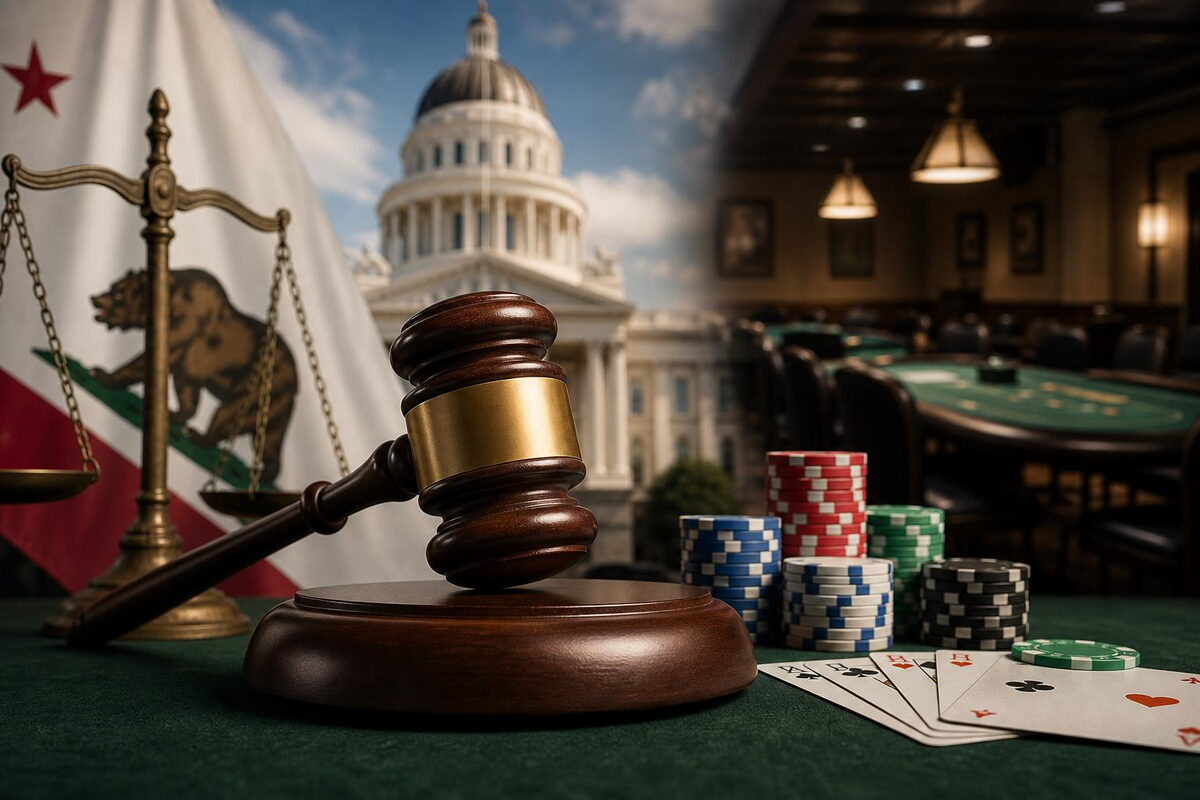
In California, a San Francisco Superior Court judge has granted a preliminary injunction delaying the implementation of new regulations affecting card rooms. This legal action, taken on Thursday, May 21, 2026, temporarily halts the enforcement of rules concerning blackjack-style games and player-dealers. The decision is pivotal as it pauses the application of regulations contested by card rooms in lawsuits against the state’s attorney general’s office, with significant implications for the state’s gambling market dynamics.
The injunction, which will last for 45 days, was issued by Judge Richard Darwin. He initially indicated his intention to support the card rooms’ position, which was confirmed after both parties presented their arguments. The next court hearing is scheduled for June 30. Judge Darwin concluded that the Bureau of Gambling Control (BGC) possibly exceeded its jurisdiction by proposing these regulations without clear statutory authority, raising questions about the agency’s regulatory scope.
The contested regulations are part of a longstanding conflict between card rooms and California’s gaming tribes. The tribes retain exclusive rights to Class III gaming, which includes casino-style games, and argue that card rooms are unlawfully offering banked games instead of adhering to the permitted parimutuel structure. Card rooms, however, contend that blackjack-style games and player-dealers have been sanctioned by state authorities for a substantial period, predating the new rules. This legal standoff highlights the complex interplay of regulatory power and tribal sovereignty in California’s gaming industry.
Following the ruling, the state’s attorney general’s office acknowledged the injunction, stating they would appropriately address the matter in court. The California Nations Indian Gaming Association, representing the tribal interests, has yet to comment on the decision.
Kyle Kirkland, president of the California Gaming Association and owner of Club One Casino, expressed measured satisfaction with the ruling. He emphasized the association’s stance that the BGC overstepped its authority, noting potential harm the regulations could inflict on local communities. Despite the temporary respite, Kirkland indicated the card room industry remains cautious as the legal battle continues.
The regulations in question were approved in February and took effect on April 1. Prior to the injunction, card rooms faced a compliance deadline of May 31. Both parties agreed that, should the state succeed ultimately, additional time will be given to card rooms for compliance, acknowledging the delay caused by the court’s intervention.
Significant alterations would have arisen from the new rules, such as removing the “bust” feature and altering the target points in blackjack-style games. For player-dealer roles, new requirements would have mandated periodic rotation of the dealer, among other stipulations. The Department of Justice’s rulemaking proposal noted that these regulations could result in a substantial revenue loss for card rooms, estimating a 50% decrease in blackjack earnings. The DOJ framed the changes as necessary clarifications to ensure compliance with state gambling laws.
From the state’s perspective, Deputy Attorney General Sharon O’Grady argued that regulatory power over controlled games lies with the BGC and DOJ, rather than the California Gambling Control Commission, which handles more operational oversight. This stance, while consistent with regulatory protocols, acknowledges potential adverse effects on municipal finances, as card rooms contribute significantly to local tax revenues. Cities like Commerce and Bell Gardens, heavily reliant on card room taxes, have declared fiscal emergencies, with some municipalities placing tax increases on ballots in response to potential shortfalls.
Amid the legal and financial challenges, Attorney General Rob Bonta faces political pressure, with accusations from card rooms that he is prioritizing tribal interests. Tribal representatives, conversely, assert the state’s actions are necessary to uphold their exclusive gaming rights. Both card rooms and tribal entities maintain strong political influence and have contributed to Bonta’s campaigns.
The outcome of this legal dispute holds significant consequences for the future of gaming regulation in California. The next steps will be determined at the upcoming hearing on June 30, where the court will further evaluate the merits of the arguments and decide how to proceed with the contested regulations. The case underscores the complexities of balancing regulatory authority and industry interests within California’s gambling landscape.
Topics: India · California · Blackjack · Gambling Taxes · Financial Results · Enforcement
Looking for somewhere to play? Browse our current no deposit bonus listings, with verified codes and the full wagering terms for each offer.