
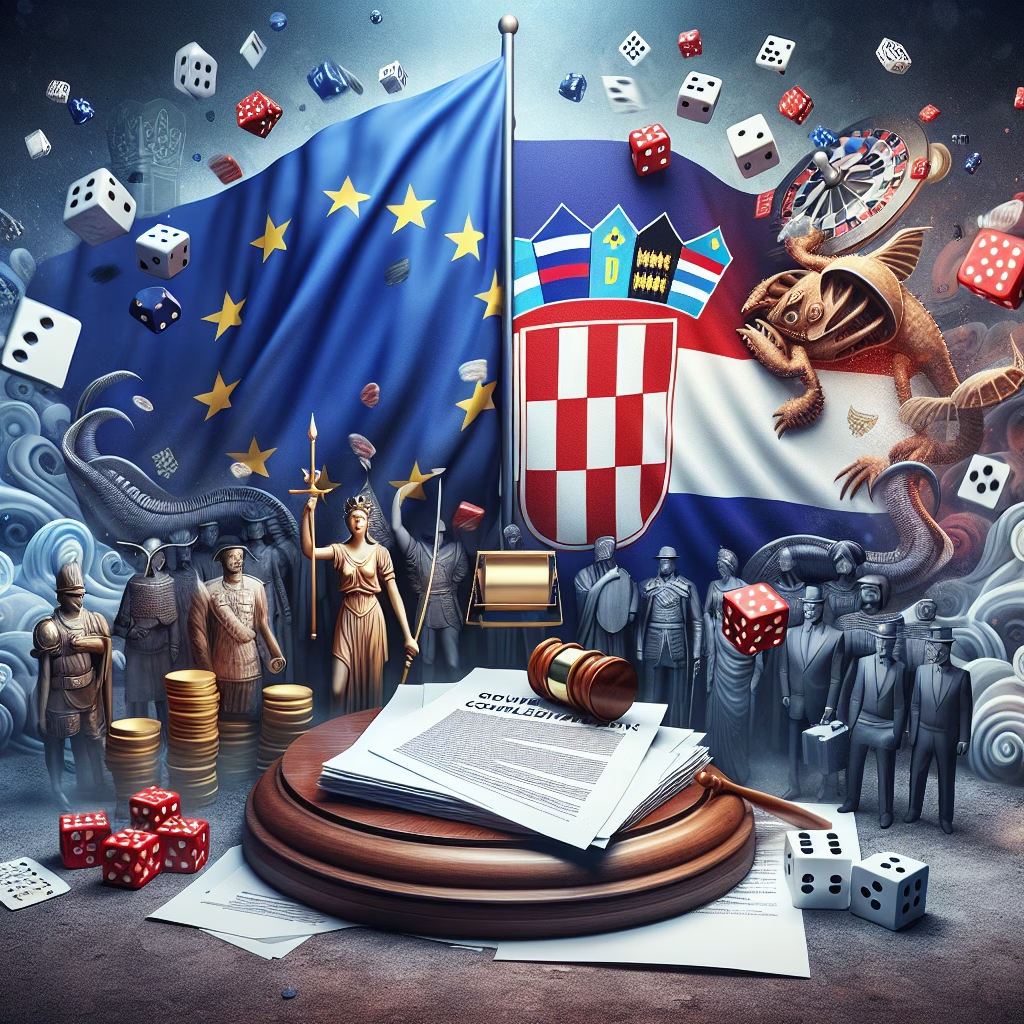
The European Gambling and Amusement Federation (EUROMAT) has officially filed a complaint with the European Commission due to recent amendments to Croatia’s Gambling Act. These modifications, EUROMAT claims, were implemented without notifying the European Commission, a move considered a violation of European Union (EU) law.
Under EU regulations, all member states are required to inform the European Commission of any new draft laws or regulations affecting market access, service provision, or imposing mandatory technical requirements. This procedure exists to ensure that such regulations are compatible with the principles of the single market and to allow for proper scrutiny by the Commission.
In March of this year, Croatia announced changes to its Gambling Act. These included the introduction of mandatory player identification systems, restrictions on the location and layout of gambling venues, and a prohibition on online and social media advertising. Additionally, a centralized player self-exclusion register was established. EUROMAT argues that these changes, particularly the benefits from regulatory exemptions and privileges, could lead to an “uneven playing field” that might disadvantage certain market segments.
By not informing the European Commission of these changes, EUROMAT asserts, Croatia has breached EU law. EUROMAT had warned that it would take action if the changes were implemented without due process. Both the Croatian Gaming Association (HUPIS) and the European Commission had issued similar warnings regarding the proposed amendments.
“Such open disregard for established EU procedures raises serious concerns,” EUROMAT noted. “What message does it send to other member states if one country can so blatantly and openly ignore rules that all others are expected to respect?” This sentiment reflects a broader concern about the precedent Croatia’s actions might set within the EU.
The President of EUROMAT, Jason Frost, expressed strong disapproval towards the Croatian government’s approach. The formal complaint, he explained, marks the initial phase of the EU’s legal process. “Based on EUROMAT’s complaint, the European Commission will be able to assess the evidence and decide on the next steps, including whether to open infringement proceedings against Croatia,” Frost stated. He emphasized that the notification procedure ensures national measures align with the single market’s principles. Croatia’s decision to bypass this obligation not only violates EU law but also jeopardizes legal certainty for businesses throughout Europe. Frost stressed the importance of the Commission taking decisive action to maintain the integrity of the internal market.
HUPIS Secretary General Filip Jelavić also criticized the government’s handling of the legislative changes. He pointed out that the Croatian government has effectively sidelined both stakeholders and EU institutions. By neglecting to notify, Jelavić argued, the government has obstructed necessary scrutiny of measures that distort competition and negatively impact different segments of the gaming sector. “We urge the Commission to carefully assess EUROMAT’s complaint and intervene without delay to ensure that the rule of law and fair market conditions are upheld,” Jelavić urged.
A counterpoint to this issue comes from those who argue that Croatia’s changes, while controversial, might reflect a domestic attempt to better regulate and control gambling within its borders. Supporters of the amendments might claim that stricter regulations are necessary to tackle gambling-related issues such as addiction and to protect consumers from potential harm. They may argue that national security concerns or public health considerations could justify such regulatory measures, even if it means temporarily bypassing EU procedural norms.
However, the broader implication of Croatia’s actions touches on the fundamental principles governing the EU’s single market. The lack of notification suggests a move that could disrupt the harmonious implementation of EU-wide regulations, potentially leading to fragmented markets and unequal business conditions. Critics warn that if left unaddressed, this could encourage other member states to adopt similar unilateral measures, ultimately undermining the EU’s regulatory framework designed to ensure a level playing field across all industries.
The next steps in this unfolding situation will largely depend on the European Commission’s response to EUROMAT’s complaint. Should the Commission decide to proceed with infringement proceedings, it could lead to formal sanctions against Croatia, compelling it to revert changes or face substantial penalties. Ultimately, this case highlights the delicate balance between national sovereignty in policymaking and adherence to EU laws designed to maintain consistency and fairness within the internal market.
As the situation develops, stakeholders within the gambling industry and beyond are closely monitoring the outcome, aware that the Commission’s handling of the complaint will set a precedent for how similar cases might be managed in the future. The European Commission’s decision will not only affect Croatia but will also signal its commitment to upholding the legal frameworks that govern the EU’s single market, reinforcing the importance of cooperation and compliance among member states. The resolution of this issue will serve as a critical test of the EU’s ability to enforce its rules and maintain its foundational principles of unity and fairness.
Topics: Responsible Gambling · Gambling Regulation
Looking for somewhere to play? Browse our current no deposit bonus listings, with verified codes and the full wagering terms for each offer.
 4.5/5
4.5/5