
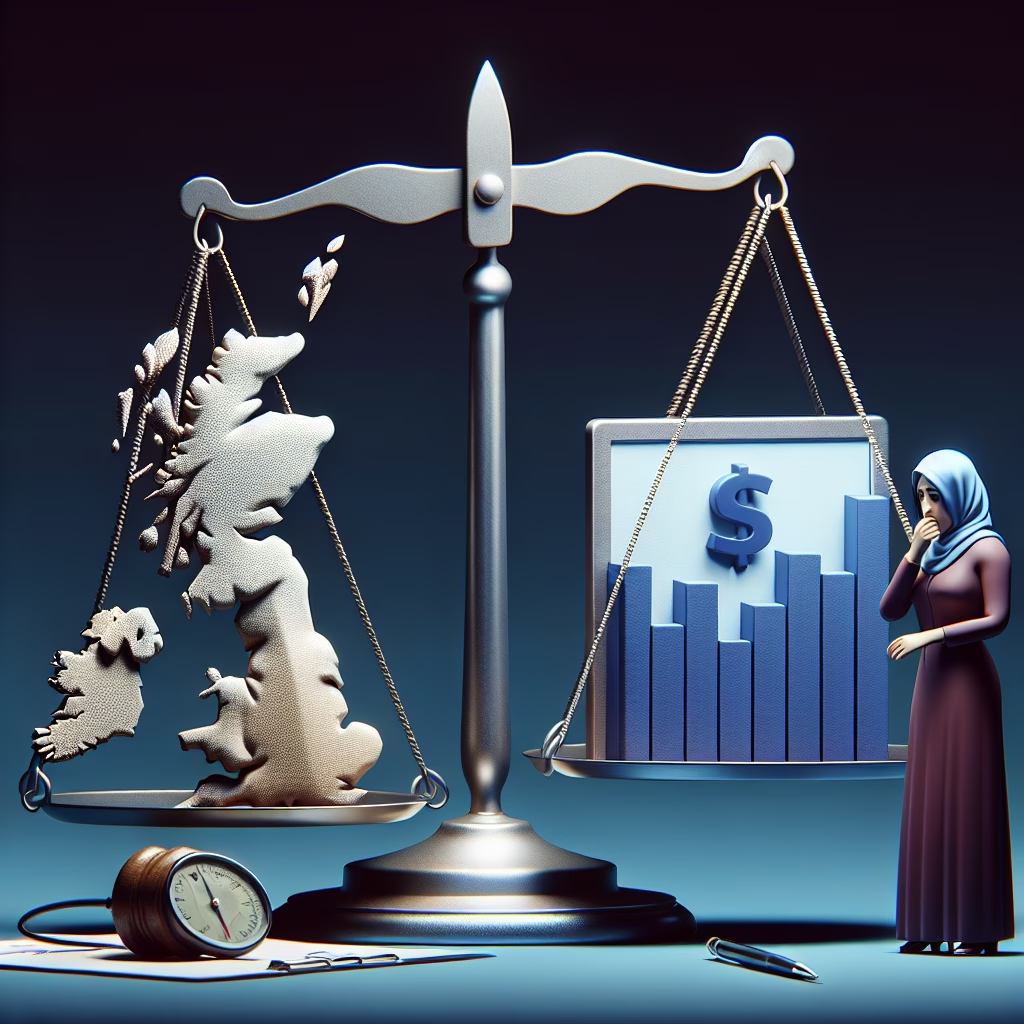
The Betting and Gaming Council (BGC) has voiced strong opposition to a proposed levy on online gambling operators in the UK, criticizing it as a “short-sighted” strategy that could potentially harm the sector. The proposal, aimed at generating funds to increase child benefits, was put forth by over 100 Labour MPs in a letter to Chancellor Rachel Reeves.
Currently, the child benefit system in the UK imposes a two-child cap, a policy under increasing scrutiny as the government faces mounting pressure to eradicate poverty. While the Labour government has not confirmed any changes to this system, the MPs’ letter suggests funding these benefits through a “targeted” levy on online gambling operators in the UK.
The BGC has been vocal in its criticism of this plan, arguing that increasing taxes on the industry would not be beneficial. They believe this move would be detrimental to employment, investment, and sports funding, while not significantly boosting revenue. “BGC members already contribute £6.8 billion to the economy, pay £4 billion in taxes, and support 109,000 jobs,” a BGC statement noted. “Increasing taxes could destabilize an industry that operates responsibly.”
The BGC emphasized that additional tax burdens could drive consumers towards the illegal gambling market, which pays no taxes and offers no consumer protection. “Every increase in tax on the regulated sector strengthens the black market, threatening UK jobs and growth,” they warned.
Grainne Hurst, CEO of the BGC, expressed empathy for the chancellor’s challenge of raising funds for broader economic policies but cautioned against a “quick fix” through gambling taxes. “This policy is marketed as a simple solution, but it’s far from it. Millions of people enjoy betting at bookmakers, casinos, bingo halls, and online every month. These people could be negatively impacted if the government succumbs to these demands,” she reflected. Further tax increases, she argued, could degrade the regulated gambling offerings, pushing consumers towards illegitimate operations.
“Illegal operators will profit if this anti-gambling stance is adopted. The black market, which is thriving, doesn’t care about player protections or support sports, nor does it contribute to taxes. The last thing it needs is encouragement through new tax hikes,” Hurst added. She stressed the importance of a “balanced” approach to gambling policies and reiterated the BGC’s willingness to collaborate with the government for mutually beneficial regulations.
The MPs advocating for the levy argue that it would differ from a previous government proposal that suggested replacing the three-banded tax system with a single rate for all remote gambling. They caution that such harmonization overlooks significant differences in risk and harm among various gambling activities, potentially weakening public health goals of minimizing gambling-related harm.
The MPs acknowledged the introduction of a statutory levy on gambling in April, part of the government’s earlier reforms, as a significant step towards aligning funding for research, prevention, and treatment. However, they noted that this levy does not increase revenue beyond existing voluntary contributions. Given the rising levels of harm among online gamblers, they argue, an additional levy on online gambling is a “compelling” response to current public health and fiscal challenges.
Although the MPs did not specify the rate for this new levy, they referenced the Social Market Foundation’s (SMF) recommendation from July to raise the Remote Gaming Duty from 21% to 50%. This adjustment would align the UK with other regions in Europe and the US, where online gambling tax rates often reach 50% or higher. The MPs pointed out that the UK’s 21% tax on gross gaming yield is relatively low compared to the international landscape, citing higher rates in countries like the Netherlands and Austria.
Despite advocating for a higher tax rate on online gambling, the MPs expressed a desire to protect horse racing from similar increases. “Raising taxes on horse racing could shift consumers towards more harmful gambling products. It’s crucial to protect this industry with a differentiated tax approach that acknowledges its social and economic value,” they stated.
In conclusion, the MPs argued that an online gambling levy, adjusted to account for both profit and harm, offers a viable and equitable source of revenue. “Such a measure would indicate a government committed to fiscal responsibility and social justice, proactively addressing poverty through action rather than rhetoric,” they concluded.
 4.7/5
4.7/5Blitzmania Casino
15 FREE Spins — No Deposit Required